Thamel, Kathmandu, Nepal
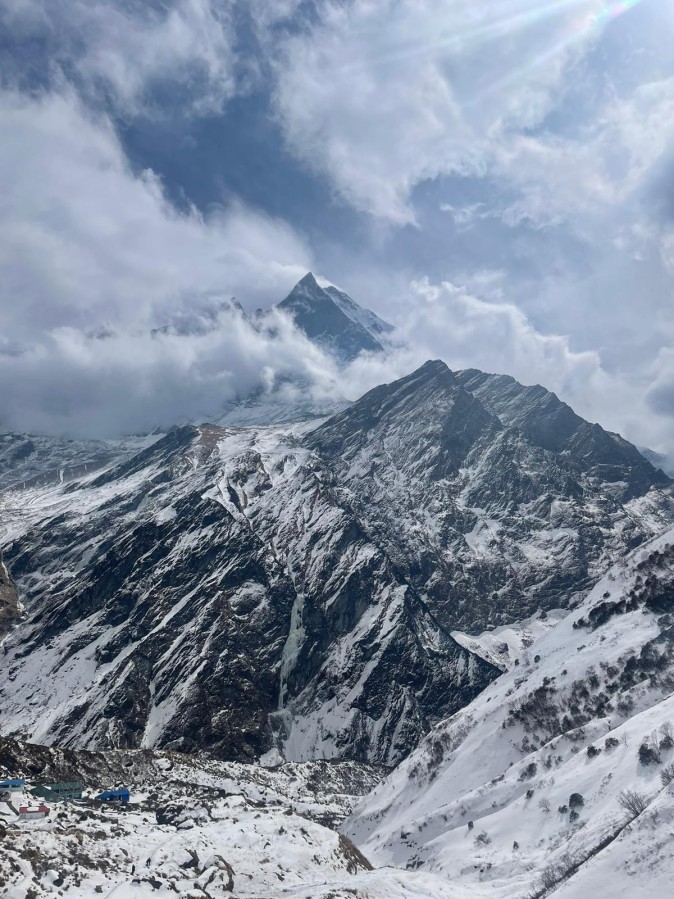
The Manaslu Circuit Trek is one of Nepal’s most rewarding and authentic Himalayan adventures. Circling the majestic 8,163-meter Mount Manaslu — the eighth highest mountain in the world — this trek takes you through remote valleys, Tibetan-influenced villages, dense rhododendron forests, and high alpine passes. Unlike the busier Everest and Annapurna routes, Manaslu offers solitude, raw natural beauty, and deep cultural immersion.
As a restricted area trek, it requires special permits and a licensed guide, ensuring a more controlled and sustainable tourism model. In 2026, this trek continues to gain popularity among adventurers seeking something less commercialized yet equally spectacular. This comprehensive 4000+ word guide covers everything: detailed day-by-day itinerary, 2026 costs, permits, difficulty, best time to trek, packing list, altitude sickness prevention, cultural insights, comparisons, FAQs, and expert tips.
| Aspect | Details |
|---|---|
| Duration | 14–18 Days (including buffer) |
| Max Altitude | 5,167m (Larke La Pass) |
| Starting Point | Machha Khola (~930m) |
| Ending Point | Dharapani / Besisahar |
| Difficulty | Moderate to Strenuous |
| Best Season | Spring (Mar-May) & Autumn (Sep-Nov) |
| Accommodation | Teahouses / Lodges |
Manaslu stands out for its pristine environment and cultural richness. The region is home to Tibetan-origin communities with ancient monasteries, mani walls, and chortens. You’ll trek through the Manaslu Conservation Area, home to snow leopards, Himalayan tahr, and diverse flora. With fewer trekkers than Annapurna, you get a true sense of wilderness and personal achievement.
In 2026, improved infrastructure (better trails and teahouses) makes it more accessible while retaining its remote charm. It’s perfect for experienced trekkers and fit beginners who want an epic Himalayan journey without the crowds.
Below is a realistic, expanded 16-day itinerary (including acclimatization and buffer). Daily distances and times vary based on fitness and weather.
| Day | Route | Altitude | Walking Hours | Highlights |
|---|---|---|---|---|
| 1 | Kathmandu → Machha Khola | 930m | Drive (8-9 hrs) | Scenic drive along Budhi Gandaki River |
| 2 | Machha Khola → Jagat | 1,340m | 6-7 hrs | Suspension bridges, subtropical forests |
| 3 | Jagat → Deng | 1,860m | 6-7 hrs | Enter restricted area, Gurung villages |
| 4 | Deng → Namrung | 2,630m | 6-7 hrs | Tibetan influence begins, mani walls |
| 5 | Namrung → Lho / Shyala | 3,180m | 5-6 hrs | Views of Manaslu, pine forests |
| 6 | Lho → Samagaon | 3,520m | 4-5 hrs | Beautiful village, Pungyen Monastery |
| 7 | Acclimatization at Samagaon | 3,520m | Side hike (4-6 hrs) | Hike to Birendra Lake or Manaslu Base Camp viewpoint |
| 8 | Samagaon → Samdo | 3,690m | 4-5 hrs | High plateau, Tibetan culture |
| 9 | Samdo → Larkya Phedi / Dharamsala | 4,460m | 5-6 hrs | Steep ascent, barren landscapes |
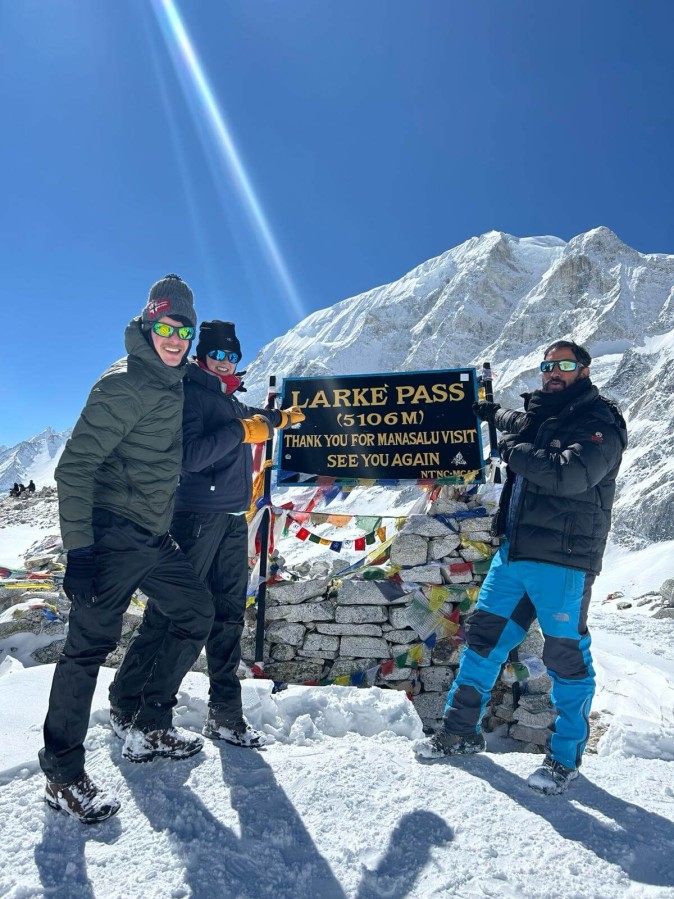
| 10 | Larkya La Pass → Bimthang | 5,167m → 3,590m | 8-10 hrs | The highlight: dramatic pass crossing |
| 11 | Bimthang → Tilije | 2,300m | 6-7 hrs | Descend through meadows and forests |
| 12-13 | Tilije → Dharapani → Kathmandu | Descending | 5-7 hrs + Drive | Return journey, optional side trips |
| 14-16 | Buffer / Kathmandu | - | Rest / Exploration | Extra days for weather or recovery |
Days 1-3: The journey starts with a long but scenic drive from Kathmandu. You follow the roaring Budhi Gandaki River through terraced fields and traditional villages. Early days involve many suspension bridges and gradual ascents. Nights in basic teahouses help your body adjust.
Days 4-7: Vegetation changes dramatically as you enter the rain shadow area. Buddhist influence grows stronger with prayer flags and monasteries. The acclimatization day at Samagaon is crucial — hike to viewpoints for stunning glacier and mountain panoramas.
Days 8-10: Higher altitudes bring thinner air. The trail to Larkya Phedi is challenging but rewarding. On pass day, start early (before dawn) to avoid strong winds. The descent to Bimthang offers incredible views of the Manaslu range.
Days 11+: Descend into greener Annapurna region, eventually connecting to the road at Dharapani for the drive back to Kathmandu.
A fully guided package typically costs USD 950 – 1,800 per person, depending on group size and service level.
| Expense | Cost (USD) |
|---|---|
| Permits (RAP + MCAP + ACAP) | 140–250 |
| Guide & Porter (mandatory) | 500–850 |
| Accommodation & Meals (teahouses) | 350–550 |
| Transport (Kathmandu round-trip) | 120–200 |
| Miscellaneous (tips, gear rental, etc.) | 100–200 |
| Total (per person, standard package) | 1,200 – 1,800 |
Note: Prices are higher in peak autumn. Larger groups reduce per-person costs.
Manaslu is a restricted area. You must trek with a licensed guide and at least one other trekker.
Permits are arranged by your trekking agency in Kathmandu.
This is a moderate-to-strenuous trek. Long days (5–10 hours), steep ascents/descents, and high altitude are the main challenges. Prior trekking experience and good cardiovascular fitness are recommended. Daily elevation gain averages 400–800m in the ascent phase.
| Season | Pros | Cons | Recommendation |
|---|---|---|---|
| Spring (Mar-May) | Rhododendrons in bloom, clear views | Possible afternoon clouds | Excellent |
| Autumn (Sep-Nov) | Stable weather, best visibility | Colder nights | Best overall |
| Winter | Fewer crowds | Snow, extreme cold | Not recommended |
| Monsoon (Jun-Aug) | Green landscapes | Heavy rain, landslides | Avoid |
Acute Mountain Sickness (AMS) is a real risk above 3,000m. Symptoms include headache, nausea, and fatigue. Key tips:
Teahouses offer basic twin rooms with shared bathrooms. Meals are typically dal bhat (rice & lentils), noodles, momos, and vegetarian options. Food quality decreases at higher altitudes. Carry snacks like energy bars.
| Category | Recommended Items |
|---|---|
| Clothing | Down jacket, waterproof shell, trekking pants (2-3), base layers, warm hat & gloves |
| Footwear | Broken-in hiking boots, trekking poles, camp sandals |
| Gear | Sleeping bag (-10°C or lower), headlamp, daypack (30-40L), duffel bag |
| Health & Hygiene | First aid kit, Diamox, water purifier, sunscreen, toilet paper, wet wipes |
| Electronics | Power bank, solar charger, adapter |
| Aspect | Manaslu Circuit | Annapurna Circuit |
|---|---|---|
| Crowds | Low | High |
| Permits & Rules | Restricted + Guide mandatory | More flexible |
| Cost | Higher | Lower |
| Adventure Level | More remote & wild | More accessible |
| Cultural Experience | Strong Tibetan influence | Diverse Gurung & Thakali |
Train for 4–8 weeks with hikes and cardio. Book with a reputable agency. Respect local customs (e.g., no photos inside monasteries without permission). Carry cash (ATMs are scarce). Be environmentally responsible — use reusable bottles and avoid plastic.
How much does the Manaslu Circuit Trek cost in 2026?
USD 950 – 1,800 per person for a guided package.
Is a guide mandatory?
Yes, by law for the restricted area.
Can beginners do it?
Fit beginners with proper preparation and acclimatization can succeed.
What about weather and safety?
Trust your guide, monitor weather, and have travel insurance covering high-altitude trekking and evacuation.
The Manaslu Circuit Trek is a life-changing journey that combines physical challenge with profound cultural and natural beauty. Whether you seek adventure, solitude, or spiritual connection, this trek delivers. Plan early for 2026, train well, and embrace the Himalayan spirit. Namaste!